Old Field Management
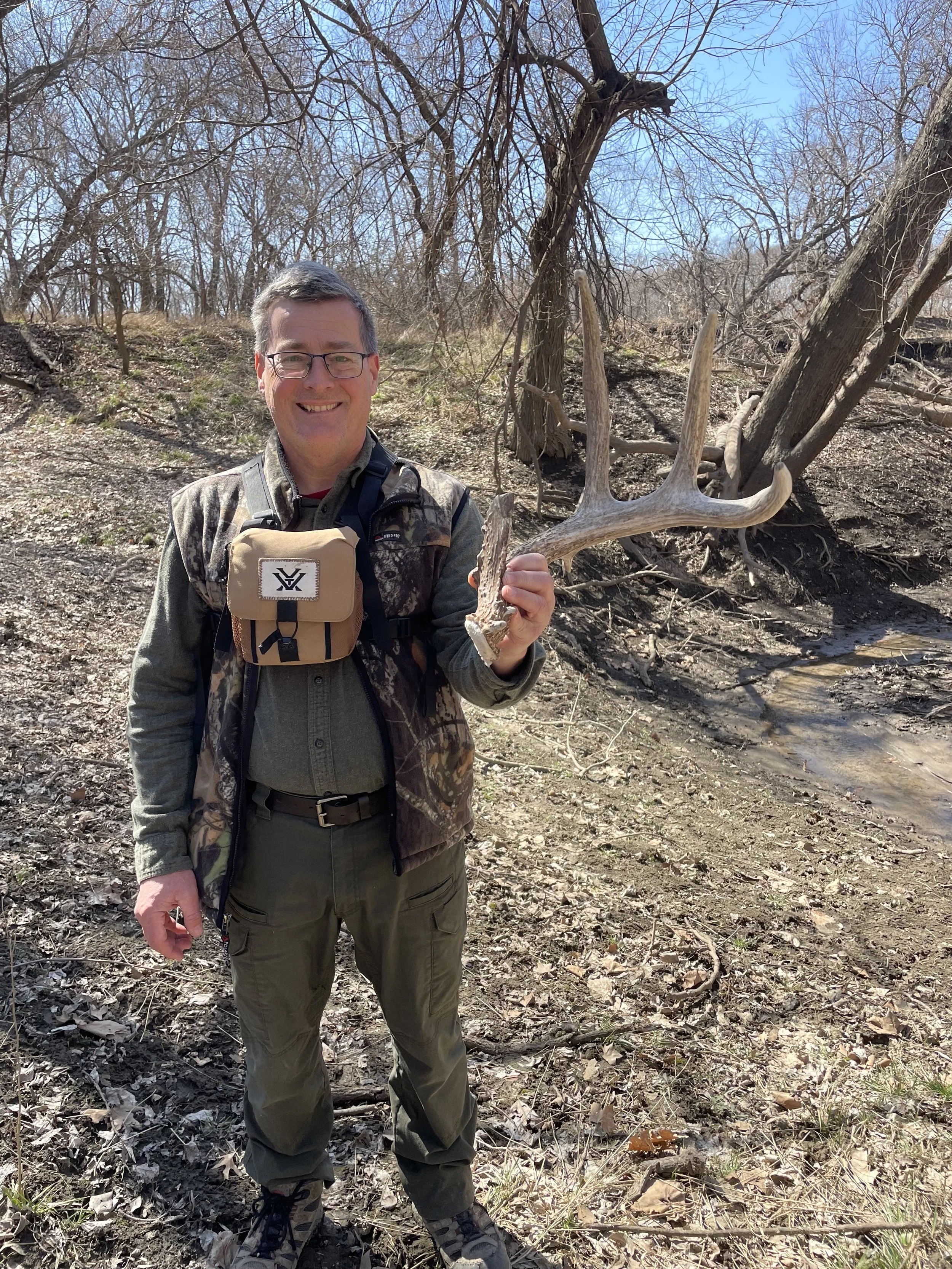
Old fields are a common habitat on many properties that when left unmanaged can quickly become dominated by woody and invasive plants that reduce habitat quality. However, when managed strategically, these fields can become some of the most valuable habitat on a property.
We evaluate the existing vegetation, available cover, food sources, and the role each field plays within the overall habitat. From there, we develop management recommendations tailored to the property and your objectives.
Plans may include creating or enhancing bedding and cover, controlling invasive species, encouraging native vegetation growth, and increasing plant diversity. The goal is to transform underutilized fields into productive, diverse habitat that provides wildlife with valuable food and cover.
Prairie Management
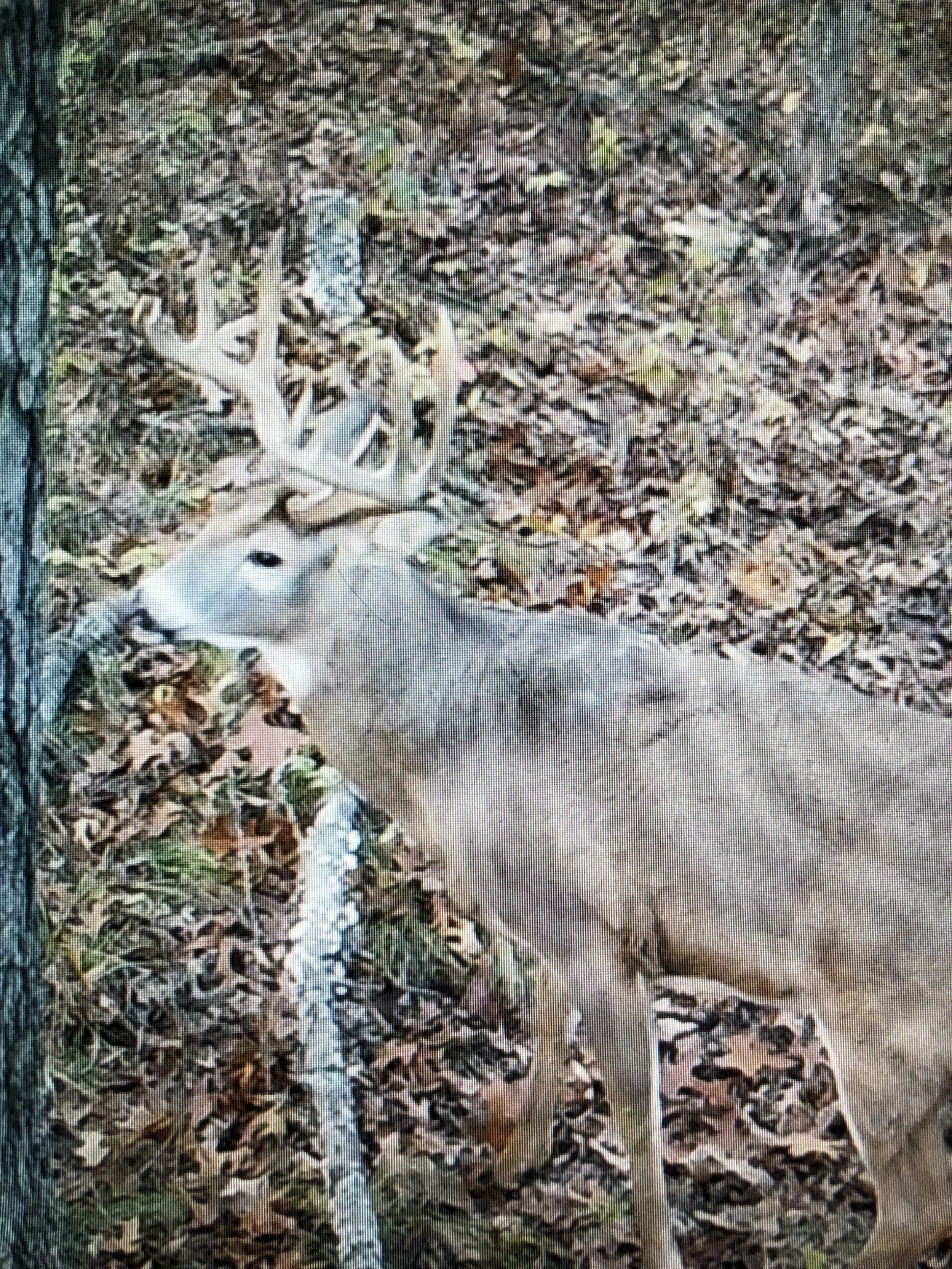
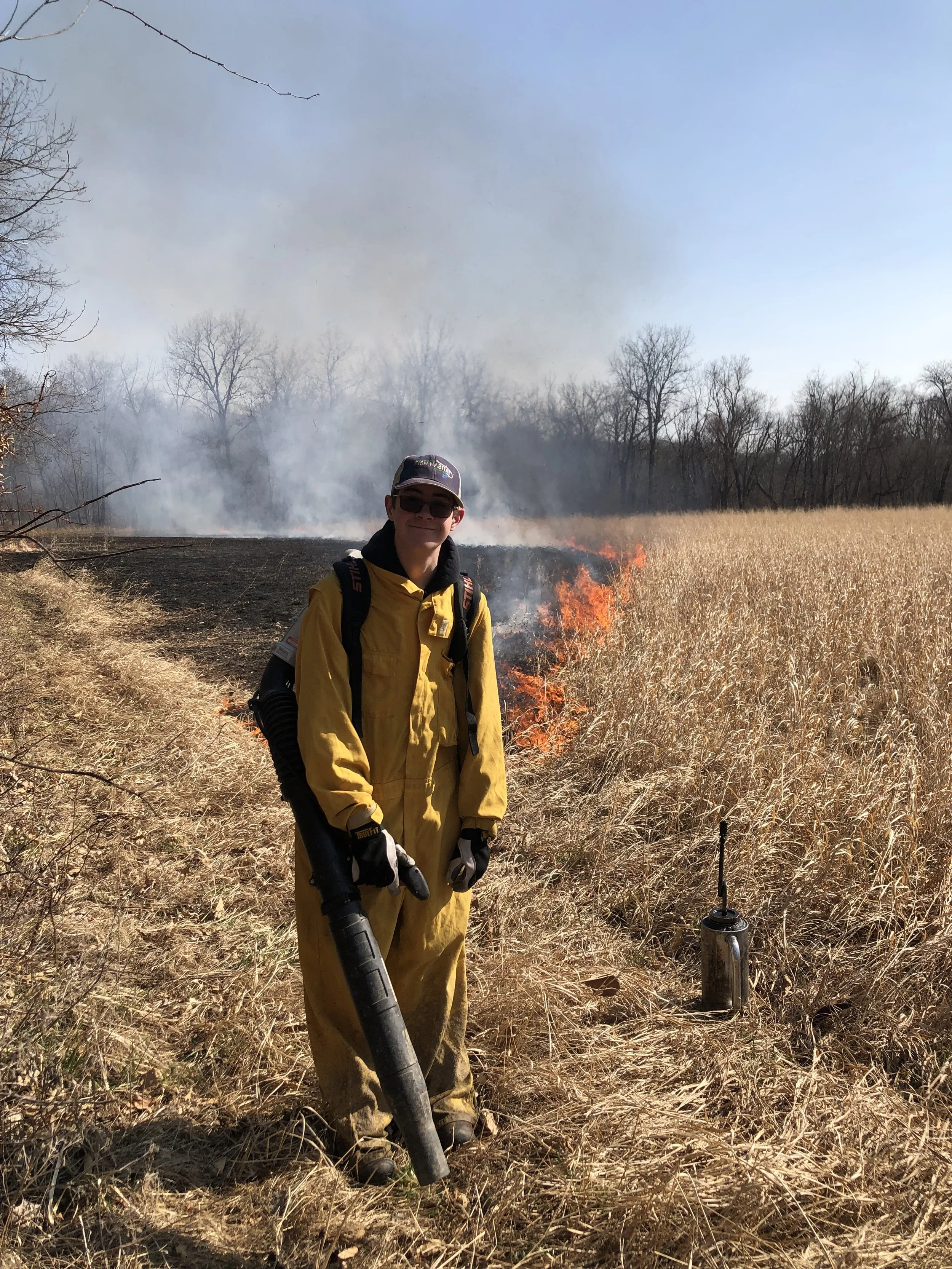
Native prairie habitats can play an important role in supporting healthy deer populations by providing food opportunities, bedding, and security. Through proven management practices such as prescribed burning, we can restore and maintain these habitats to support wildlife and promote native species.
Food Plot Management
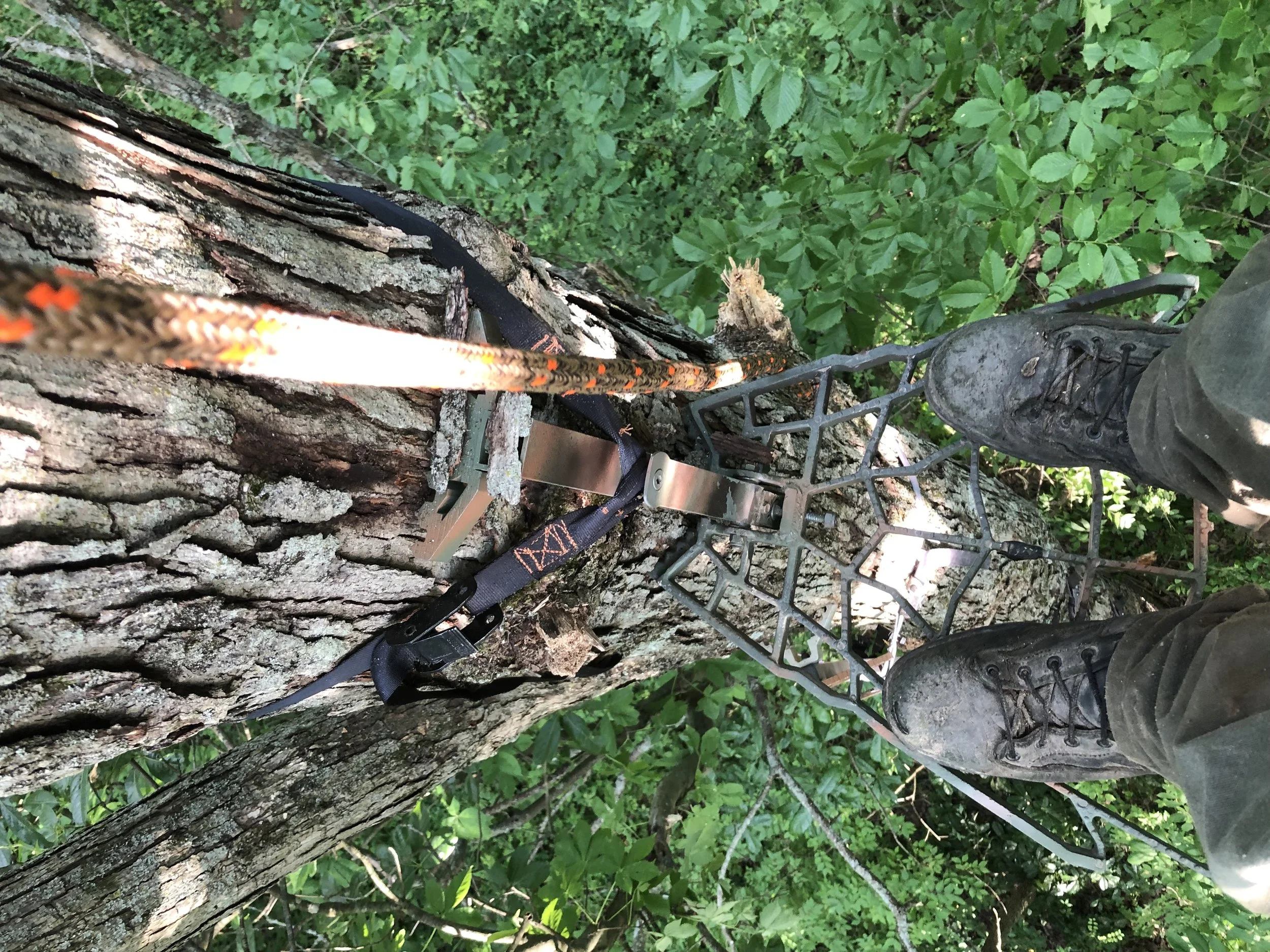
A successful food plot starts with thoughtful planning long before the first seed is planted. Location, size, access, surrounding cover, and existing food sources all play an important role in determining how effectively a plot will be used by wildlife.
We evaluate where food plots can provide the greatest benefit while complementing the property’s overall habitat and hunting strategy. Rather than treating food plots as isolated attractions, we consider how they work with bedding areas, travel corridors, security cover, prevailing winds, access routes, and stand locations. The goal is to create strategically placed food sources that improve the property’s overall habitat while encouraging predictable deer movement.
Forest Management
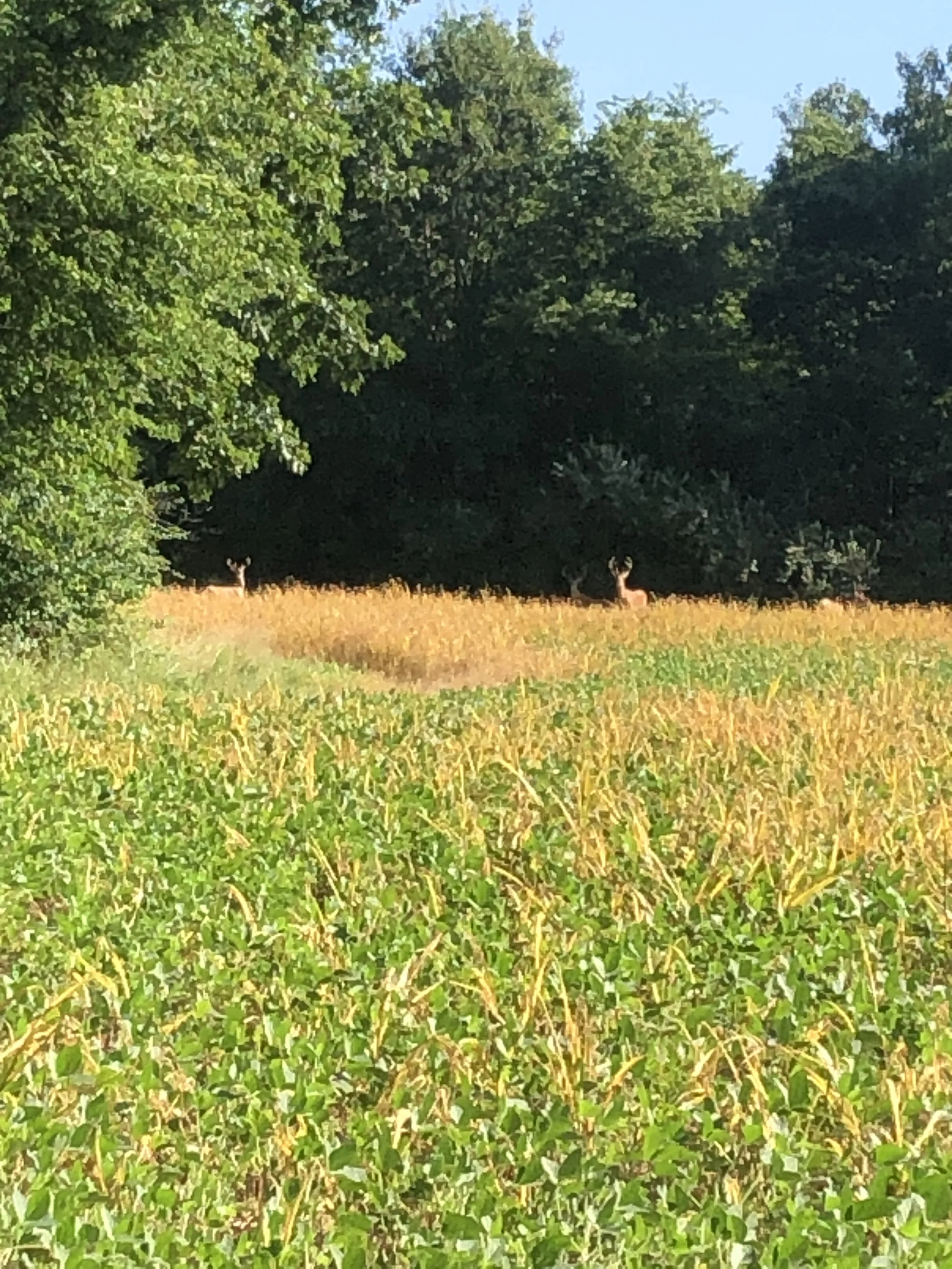
Invasive plants have become dominant species in much of our forests, competing with native vegetation and altering the ecosystems that wildlife depend on. While some invasives may provide food or cover for deer, they also outcompete native species, reducing plant diversity and limiting the native forage that deer prefer. One major component of our management practices is controlling invasive vegetation and promoting the regrowth of native species that wildlife rely on.
Forest structure also plays an important role in determining the amount and distribution of forage, bedding and security cover, and other habitat resources across a property. We evaluate wooded areas as part of the larger landscape, considering factors such as canopy density, understory vegetation, regeneration, and how wildlife uses adjacent habitat. From there, we identify opportunities to improve forest health and habitat quality through practices such as invasive species control, selective thinning, and other site-specific management techniques. The goal is to develop healthy, diverse woodlands that provide valuable habitat while complementing the rest of the property.
Tree Stand and Blind Placement
Good habitat management and good hunting strategy should work together.
We evaluate potential tree stand and blind locations based on deer movement, wind direction, topography, food sources, and bedding areas to put you in the best possible locations to harvest your target buck while minimizing overall disturbance to your property. This keeps your property producing year after year.